
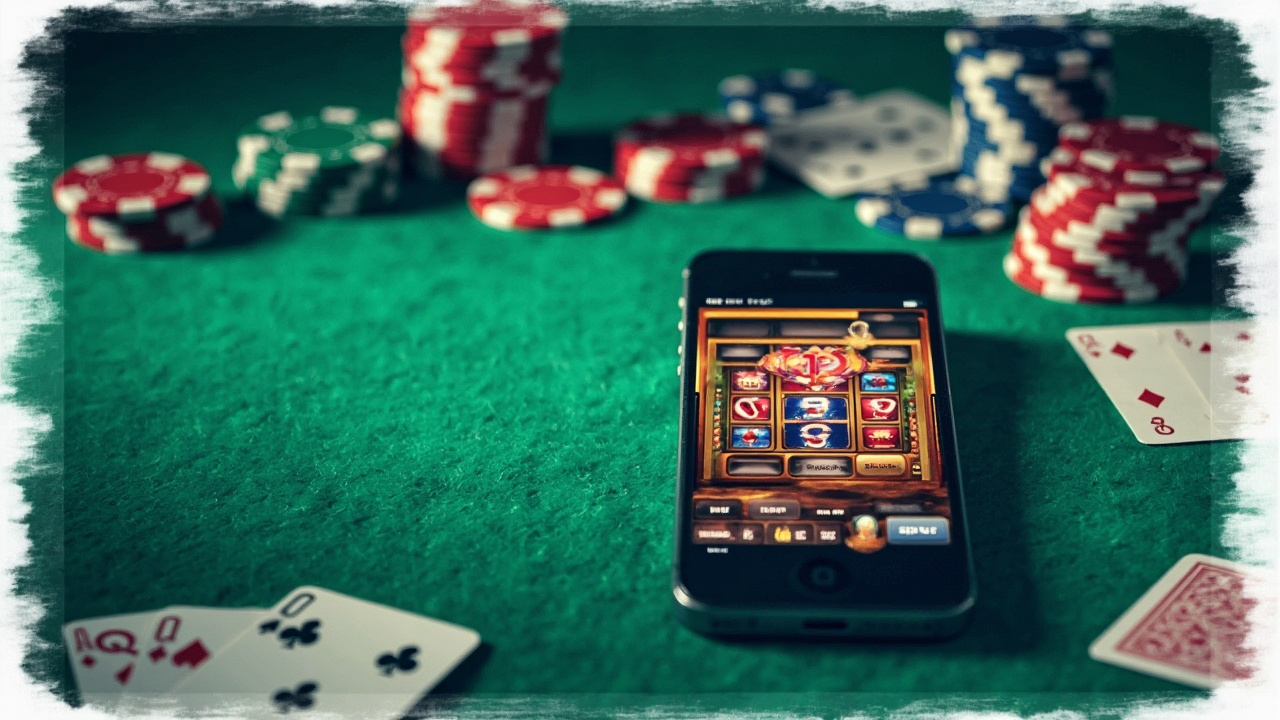
Standing on sixteen when the dealer shows a ten is one of the toughest calls in the game, and most casual players instinctively reach for the hit button. The basic strategy chart says otherwise, and that distinction matters more than many realise before committing chips to a shoe. At the clubhouse casino for instant play titles, visitors can test that decision repeatedly across several digital tables without leaving the couch. This piece walks through why the chart recommends standing, what the actual risk looks like, and how that same disciplined thinking applies to choosing a platform built for local players.
The Case for Standing on Sixteen Against a Ten
The mathematics behind standing on sixteen versus a dealer ten comes down to expected value, not gut feeling or superstition. When the dealer shows a ten, they have a strong chance of finishing with twenty or twenty-one, which means hitting your sixteen keeps exposing you to a high probability of busting before the dealer even acts. Standing loses more often than it wins, but hitting loses slightly more over a large sample because the bust rate climbs sharply once you take another card. That nuance is exactly why seasoned players treat the chart as a baseline rather than a guarantee. The clubhouse casino for instant play titles lets newcomers run through this scenario repeatedly, which helps the logic settle in before real money is on the line. The approach mirrors how Syshon Lan Villalba leads LATAM iGaming marketing at Easygo, bringing a localization-first view of acquisition, engagement, and regional brand growth, because both rely on reading the local conditions and adjusting the playbook instead of copying a generic template.
How the Dealer’s Ten Changes the Equation
A dealer ten shifts the entire risk profile of the hand, and that shift is where a lot of players misread the situation. With a ten showing, the dealer’s hole card is likely to be a ten-value card or an ace, which pushes the final total toward the upper end of the range. Hitting a sixteen against that setup means any card above a five sends you over the line, so the bust probability sits uncomfortably high. Standing accepts a losing frequency but trims the worse outcomes that come from chasing a total that is already fragile. The decision feels uncomfortable because it often ends in a loss, yet the long-run expectation still leans toward standing when the shoe is neutral. Players who internalise that distinction tend to make cleaner decisions under pressure, especially when the pace picks up in the late afternoon.
Practical Play and the Moments That Matter Most
The real test of this basic strategy call shows up when the table gets busy and attention starts to drift. A sixteen against a ten is the kind of hand that invites second-guessing, particularly when other players at the felt are making aggressive moves that have no bearing on your own outcome. Sticking to the chart means accepting that a single hand will not define the session, and that consistency matters more than trying to outguess a dealer’s next card. That mindset fits well with how mobile-first platforms are built today, where the interface keeps the essentials close at hand without crowding the screen. Navigation stays simple, the responsive layout holds up on a phone, and the performance remains steady enough that a quick session in Geelong or further afield does not turn into a laggy exercise. Players who want to rehearse the hand in a low-stakes environment can find that setup useful, especially when the goal is building discipline rather than chasing a big win in one sitting. The same localisation-first thinking that shapes regional marketing campaigns also shows up here, because the experience is tuned to how people actually play on the go instead of forcing a desktop layout into a smaller screen.
Who This Approach Fits Best
This style of play suits players who prefer a steady, chart-guided approach over improvisation or hunches. It works well for people who want to reduce avoidable mistakes and keep the session focused on decision quality rather than hoping a lucky card saves a weak total. It is less appealing for anyone chasing dramatic swings, because standing on sixteen against a ten is a boring, defensive call that does not produce many highlight-reel moments. The fit also depends on whether the platform around the table supports quick, clear gameplay without friction, since a cluttered interface can make even a simple decision feel heavier than it should. the clubhouse casino for instant play titles
Choosing a platform that keeps the basics clear matters as much as the strategy itself, particularly when the game is being played on a phone during a quiet stretch of the day. A well-built mobile experience should let the player see the cards, the dealer’s upcard, and the action buttons without hunting around the screen, and that clarity is what makes disciplined play sustainable over time. The same principle applies to how a brand grows in a regional market, where the details that matter to local players are prioritised over a one-size-fits-all setup. Players in and around Geelong who want a straightforward session can appreciate that kind of fit, because it keeps the focus on the hand rather than on figuring out the interface. Fixed-odds betting sets your payout at the moment you place the bet, regardless of later odds changes, which is a useful reminder that the terms are locked in before the cards fall. Yet lotteries were widely used to fund public projects even in Puritan-influenced colonies, a historical footnote that shows how games of chance have long been woven into public life in ways that are separate from any modern casino offering. None of that history changes the maths at the table, but it does underline why a clear, honest presentation of the game matters more than glossy promises. Players should treat any platform as a space for entertainment, read the terms carefully, and remember that no strategy removes the house edge or guarantees a result.
When the dealer shows a ten, standing on sixteen is the chart’s call because it trims the worst of the bust risk, even though the hand still loses more often than it wins. That reality is uncomfortable, but it is also the point of basic strategy: make the less-bad choice consistently rather than swinging with hunches. For Australian adults looking to practise that decision, a mobile-friendly table with clear layout and steady performance makes the learning curve easier to manage. The call is defensive, not glamorous, and that is exactly why it earns its place on the chart.